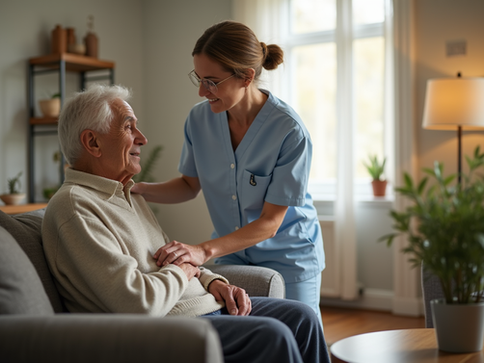











Preparing a home for an elderly loved one is an important step toward helping them remain safe, comfortable, and independent. As people age, changes in balance, vision, strength, and mobility can make familiar spaces more difficult to navigate. Small adjustments around the house can reduce everyday risks while allowing older adults to maintain their routines and enjoy the comfort of home.
Every home and every senior has different needs. The best place to start is by looking at how your loved one moves through the house, which activities have become difficult, and where additional support could make everyday life easier.
Start With a Home Safety Assessment
Walk through the home with your loved one and pay attention to the places they use most often. Consider the route between the bedroom and bathroom, the path to the kitchen, the stairs, and the main entrance. Look for obstacles, slippery surfaces, dim lighting, and objects that require bending or reaching.
Involve your loved one in these decisions. Changes are more likely to work well when older adults understand the reasons behind them and have a say in how their home is arranged. The aim is to make the environment safer without making it feel unfamiliar or unnecessarily restrictive.
Remove Tripping Hazards and Clear Walkways
Loose rugs, electrical cords, clutter, low furniture, and objects left on the floor can make walking more difficult. Clear the main routes between rooms and leave enough space for a cane, walker, or wheelchair if one is used.
Remove loose rugs where possible and secure any carpeting that could shift underfoot. Keep shoes, bags, pet toys, and household items away from doorways and hallways. Electrical cords should be placed away from walking paths rather than stretched across the floor.
Check that furniture does not obstruct the route to frequently used rooms. A clear and predictable walking path can make everyday movement less stressful, particularly for someone who has balance concerns or uses a mobility aid.
Make the Bathroom Safer
Bathrooms can present several challenges because water makes surfaces slippery and bathing often requires standing, turning, and stepping over obstacles. A few thoughtful changes can make these activities easier and more secure.
- Install properly secured grab bars near the toilet and shower.
- Use nonslip mats designed for wet areas.
- Consider a stable shower chair when standing for long periods is difficult.
- Use a handheld showerhead to make bathing easier.
- Keep towels, toiletries, and other essentials within easy reach.
- Clean up water spills promptly and keep bathroom floors dry.
Grab bars should be securely installed and suitable for supporting a person's weight. Towel rails and shower doors are not substitutes for purpose-designed support equipment. An occupational therapist can help identify appropriate bathroom adaptations for your loved one's needs.
Improve Lighting Throughout the Home
Good lighting helps older adults see obstacles, judge distances, and move more confidently. Pay particular attention to hallways, staircases, entrances, bathrooms, and the route between the bedroom and bathroom.
Add night-lights where needed and make sure light switches are easy to reach. Motion-activated lighting may be helpful in areas used at night. Replace burned-out bulbs promptly and reduce glare from overly bright or poorly positioned lights.
Keep a lamp or accessible light source near the bed. Someone who wakes during the night should be able to illuminate the walking path before getting up. Regular vision checks can also help identify problems that affect safe movement around the home.
Prepare the Bedroom for Comfort and Safety
The bedroom should offer enough space to get in and out of bed without struggling around furniture. Arrange a clear route from the bed to the bathroom and ensure that commonly used items are easy to reach.
Keep a phone, glasses, water, and any regularly used mobility aid in an accessible location. Bed height matters, too. When sitting on the edge of the bed, your loved one should be able to position their feet comfortably on the floor.
If getting into or out of bed has become difficult, seek advice from an appropriate healthcare professional before installing bed rails or other equipment. Some products can introduce additional risks when they are unsuitable for the individual.
Make the Kitchen Easier to Use
A well-organized kitchen can help older adults continue preparing meals with greater confidence. Store frequently used plates, cups, utensils, and ingredients at an accessible height so there is less need to bend, stretch, or climb.
Avoid using step stools when balance or mobility is a concern. Keep walking routes clear, wipe up spills promptly, and ensure that cooking areas are well lit. Easy-to-grip handles and lever-style taps may also help people who have arthritis or reduced hand strength.
If carrying hot food or heavy cookware is difficult, consider arranging frequently used items closer to the cooking area and providing a clear surface where items can be set down safely. Help with meal preparation may be appropriate when everyday kitchen tasks become tiring or unsafe.
Make Stairs and Entrances More Accessible
Stairs and entrances can become challenging when strength, balance, or endurance changes. Make sure stairways are well lit, free of clutter, and fitted with secure handrails. Handrails on both sides can provide additional support when appropriate.
Repair loose steps and address uneven surfaces. Contrasting markings along step edges may help improve visibility for people who have difficulty judging depth. Outside, keep paths clear of leaves, moss, water, and other slippery materials.
If stairs are becoming difficult to manage, consider whether important daily activities can be moved to the main floor. Ramps, additional handrails, or a professionally assessed stair lift may be suitable options depending on the person's mobility and the home's layout.
Keep Everyday Essentials Within Reach
Reaching overhead, bending low, and carrying objects while walking can increase the difficulty of everyday tasks. Place clothing, toiletries, dishes, and other frequently used belongings where your loved one can access them without stretching or climbing.
Make sure the telephone or another means of communication is available throughout the day. If your loved one uses a cane or walker, keep it within easy reach before they stand up. Small adjustments like these can help make daily routines more manageable.
Review Fire and Household Emergency Safety
Home preparation should include more than fall prevention. Check smoke alarms and carbon monoxide detectors according to the manufacturer's instructions and applicable safety guidance. Keep exits accessible and make sure household members know how to respond in an emergency.
Review the placement of space heaters, electrical cords, and frequently used appliances. Keep flammable materials away from heat sources and avoid overloading electrical outlets. Store emergency contact information where it can be accessed easily.
Consider your loved one's ability to respond to an alarm, use a phone, and leave the home safely. If additional help may be required, develop an emergency plan that reflects their mobility and support needs.
Home Safety Checklist for Elderly Loved Ones
Use this checklist when reviewing the home. Work through the items gradually and prioritize changes that address the most immediate risks.
- Clear hallways and frequently used walking routes.
- Remove loose rugs and secure uneven flooring.
- Improve lighting in bedrooms, hallways, and stairways.
- Install secure bathroom grab bars where needed.
- Place nonslip mats in appropriate wet areas.
- Keep everyday items at a comfortable, reachable height.
- Check stair handrails, steps, and outdoor paths.
- Keep a phone and mobility aids within easy reach.
- Check smoke alarms and carbon monoxide detectors.
- Review emergency contacts and household safety plans.
Know When Additional Support May Help
Sometimes home adjustments are not enough on their own. If your loved one is having repeated falls, struggling with personal care, avoiding everyday activities, or becoming increasingly unsteady, discuss these changes with a healthcare professional.
An occupational therapist may be able to recommend home modifications and assistive equipment. A physical therapist can assess mobility, strength, and balance. A healthcare provider can also review vision, medications, and other factors that may contribute to safety concerns.
In-home care may provide additional assistance with bathing, dressing, meal preparation, light housekeeping, and everyday routines. The appropriate level of support depends on the individual's abilities, preferences, and care needs.
Creating a Safer Home While Preserving Independence
Preparing a home for an elderly loved one does not necessarily require a major renovation. Removing trip hazards, improving lighting, organizing essential belongings, and making the bathroom safer are practical steps that can make a meaningful difference.
The most effective changes are those that reflect the person's actual needs and daily habits. Review the home regularly, listen to your loved one's concerns, and adjust the environment as their circumstances change.
A safe home should feel comfortable and familiar, not restrictive. With thoughtful planning and the right support, families can help older adults maintain dignity, confidence, and as much independence as possible in the place they call home.